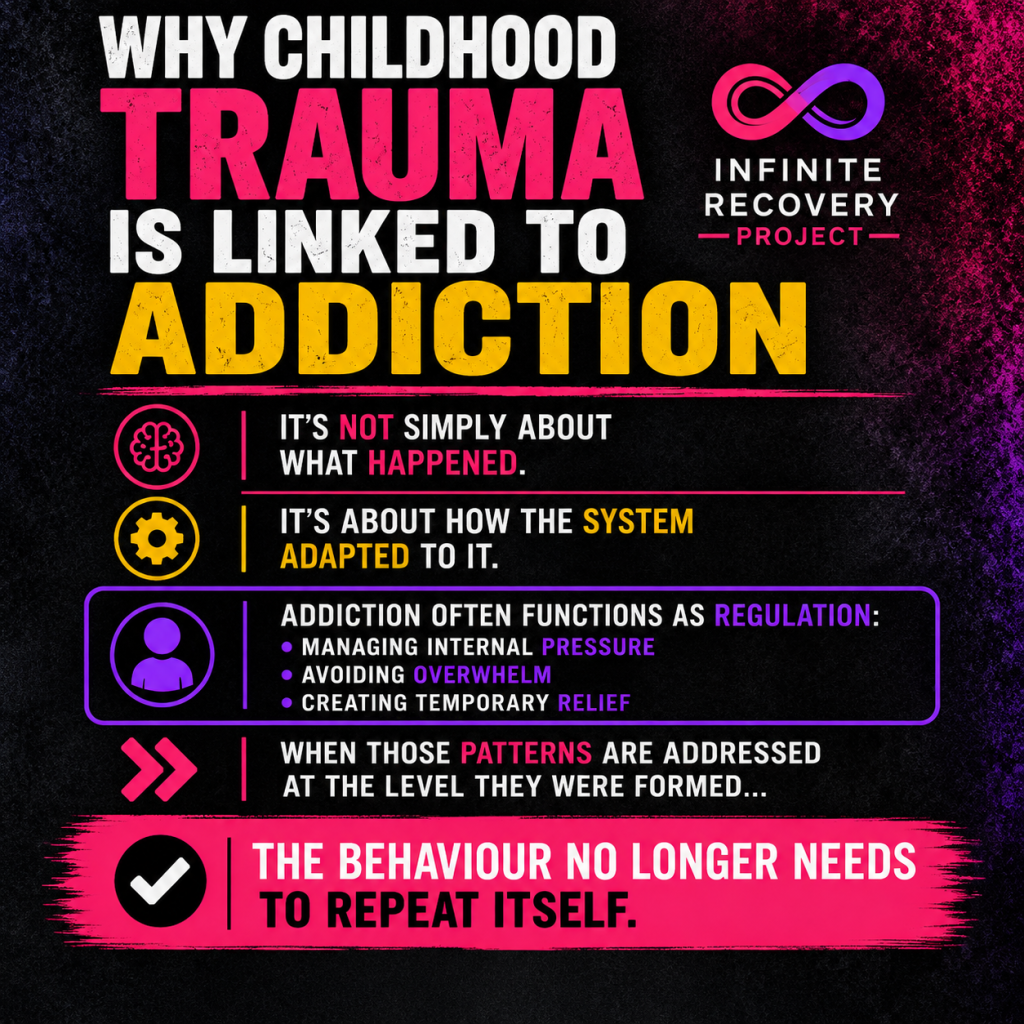
Why childhood trauma is linked to addiction
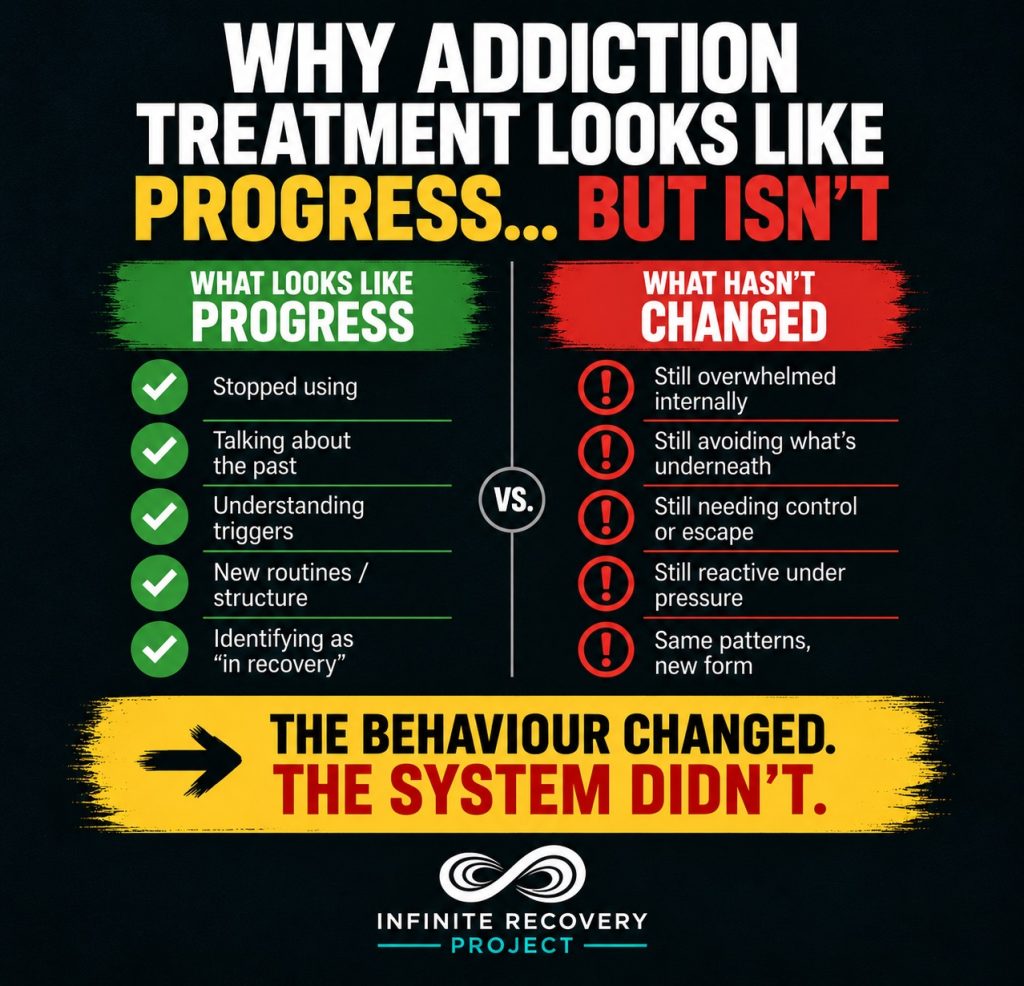
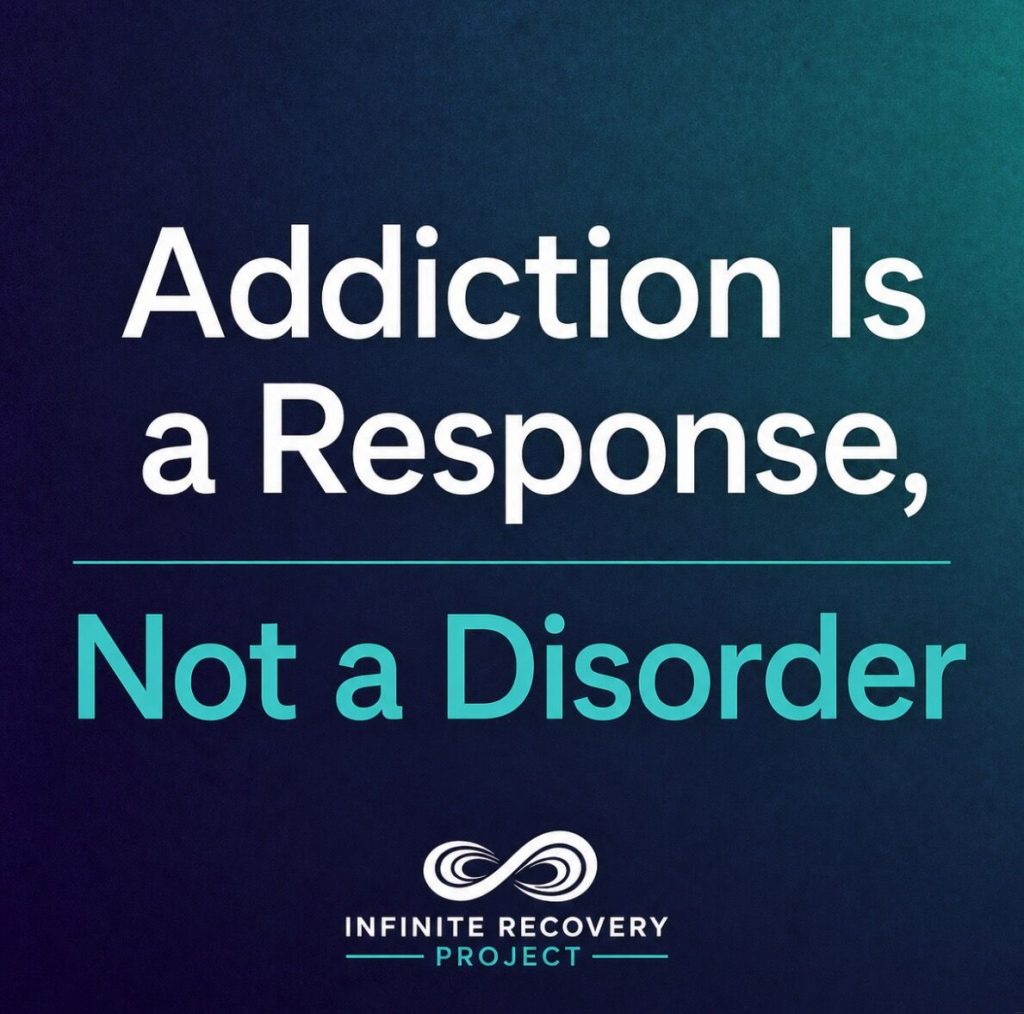
Most conversations stop at what happened, that’s only part of the picture What matters just as much is how the system adapts to it Decades of research support the link, the ACE study (Felitti et al., 1998) showed a strong dose response relationship between early adversity and later substance use Van der Kolk (2014) and others highlights how trauma is not just remembered cognitively, but organised in the body and nervous system From that lens, addiction is not random, and it isn’t simply a lack of willpower, or a disease that is unexplainable It is a functional response A way of • managing internal pressure • avoiding overwhelm • creating temporary relief Neuroscience also reflects this. Chronic stress alters threat detection, reward processing, and emotional regulation (e.g. dysregulation across limbic and prefrontal systems). The behaviour then makes sense in context The problem is how we respond to it Most treatment models focus on removing the behaviour, while leaving the underlying system unchanged. That’s why outcomes often don’t hold, the behaviour shifts, but the pressure remains At the Infinite Recovery Project, the work is different We are not treating addiction as a primary disorder or identity, we are understanding it as an adaptive response to internal and relational conditions So the focus shifts: From stopping behaviour → to understanding what it’s doing From pathology → to intelligent function From control → to increasing capacity When the underlying patterns are met at the level they were formed – in the nervous system, in relationship, in lived experience, the need for the behaviour reduces naturally Not because it’s forced out, but because it’s no longer required, addiction is resolved at this point And that’s where real change happens