

The Word ‘Relapse’ Is Broken. Let’s Call It What It Is: A Failed Experiment
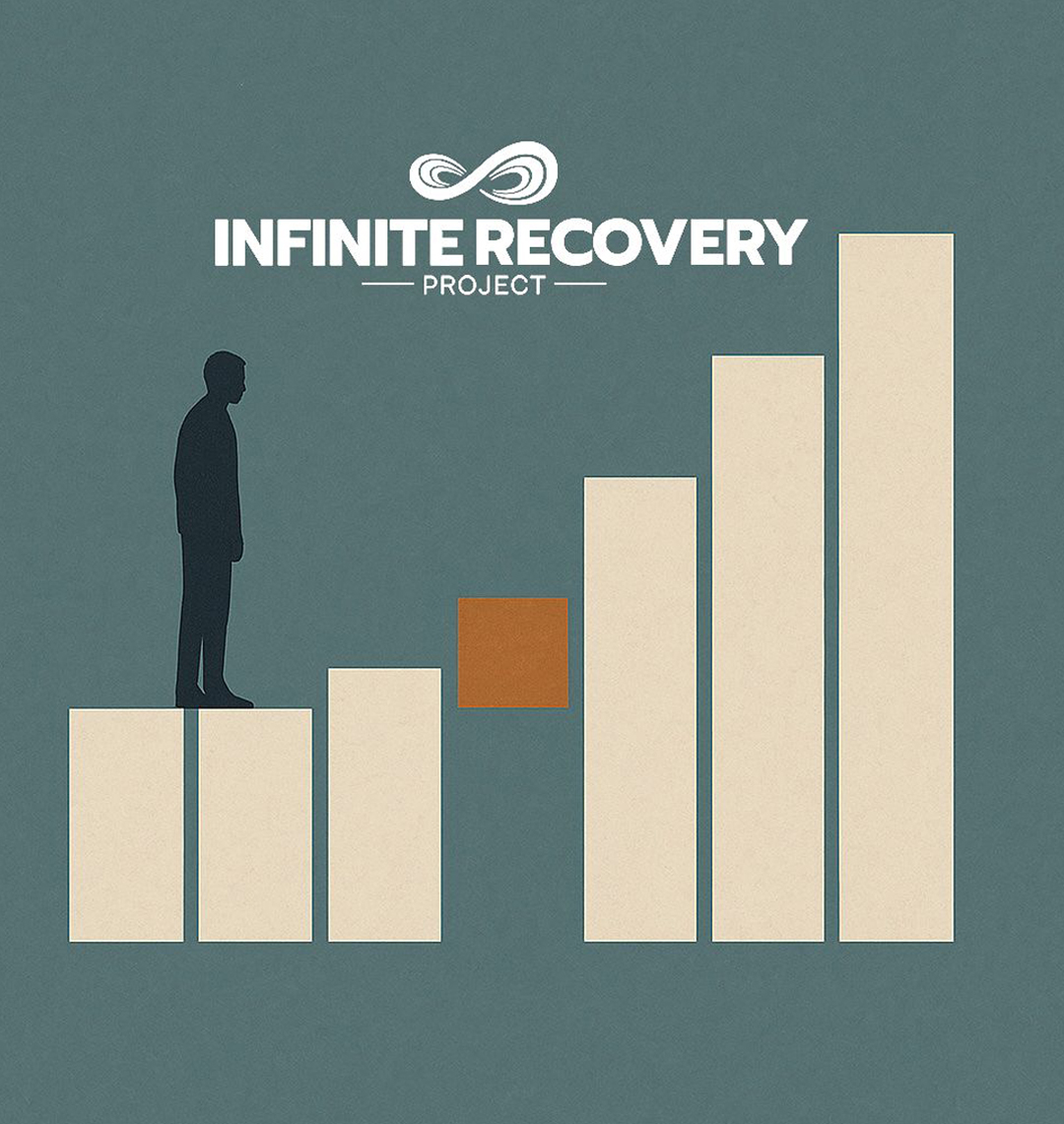
In the old system, one word holds all the power to shame: Relapse.
It means you failed, you weren’t strong enough, you didn’t comply with the rules.
But relapse is rarely a moral failure…
It is a predictable human response to a system that failed to give the nervous system what it needed.
The Systemic Data Point
When 50-70% of people relapse within a year (Kelly et al., 2020), that is not a patient problem.
That is a model problem.
The system is built to manage the symptom for 30 days, then send a dysregulated person back into the same unsafe world they left.
The relapse is simply the moment the body says: “The plan didn’t create enough safety to thrive here.”
It’s a data point.
It exposes that the last intervention was an incomplete experiment!
We have to stop punishing the person for the echo of their pain, as we’ve talked about, addiction is the nervous system’s best idea for survival.
A ‘relapse’ is just the system re-running the old survival programme when new stress hits.
Your job as a healer isn’t to judge the failed experiment, but to analyse the data and change the hypothesis.
We don’t ask, ‘Why did you fail?’
We ask, ‘What safety was missing?’ And, ‘What resource does your nervous system need now?’
From Compliance to Coherence
We need to ditch the tired, outdated metrics of abstinence, the system profits when people remain stuck in the shame/relapse cycle.
Healing happens when we move toward Coherence: that feeling of being safe, connected, and fully human.
If a relapse happens, it means we must deepen the work on safety and somatic integration (van der Kolk, 2021).
It means the system failed to deliver the conditions for sustained human thriving.
And that is a problem with the system’s design, not with the person’s heart.
The opposite of addiction is still safety, and you can’t fail at seeking safety.
If you, or someone you love, has experienced a ‘relapse,’ what is the one thing the treatment or support system failed to provide that could have made a difference?